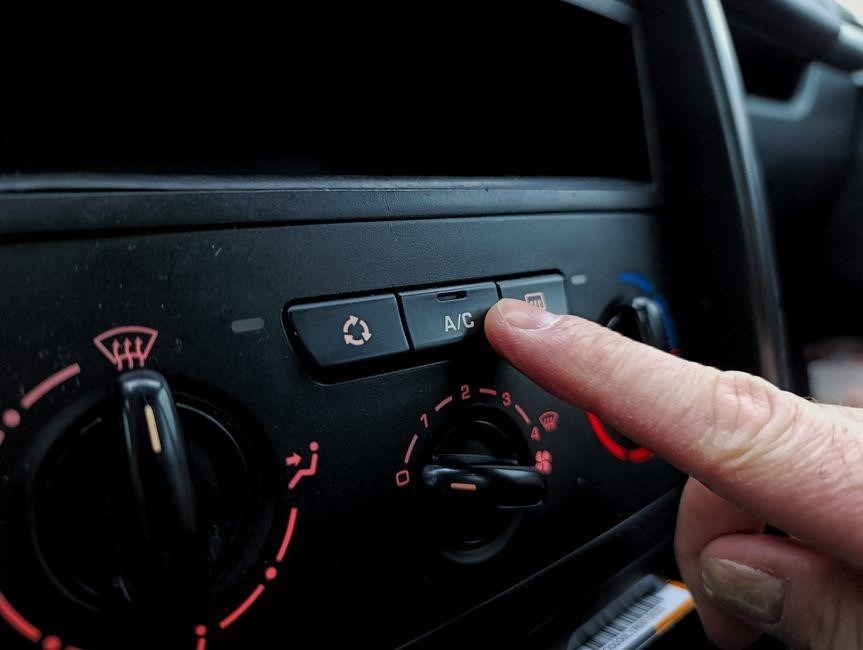
Overview of Dometic Air Handlers with Manual Controls
Dometic air handlers feature adjustable vents and manual dials, enabling precise airflow control in RVs. The 2½‑inch ceiling assembly houses a recessed dial and rotating louvers for adjustment. Users can direct cooled or heated air to any corner, enhancing comfort while minimizing wasted energy.daily???
Historical Development and Market Position
In the early 2000s, Dometic identified a niche for compact, manual‑controlled climate solutions in mobile living environments. The inaugural models featured a simple recessed dial and a fixed louver, providing basic directional airflow for RV and marine applications. Early adopters praised the intuitive interface, which required no electronic components and reduced maintenance demands.
By 2008, iterative design cycles introduced a one‑piece rotating louver system, allowing users to adjust airflow infinitely. This innovation stemmed from extensive field testing, where owners reported uneven temperature distribution with fixed vents. The new mechanism improved comfort while keeping the unit lightweight and power‑efficient.
During the 2010s, Dometic expanded its product line to include the 640315 Penguin series, specifically engineered for non‑ducted installations. Market research indicated a growing preference for modular, plug‑and‑play solutions over bulky ducted systems, especially among off‑grid RV enthusiasts. The Penguin’s 2½‑inch ceiling assembly became a benchmark for space‑saving design.
Competitive positioning sharpened as Dometic leveraged partnerships with major RV manufacturers, securing placement in key retail channels and online marketplaces. Sales data from 2015 to 2023 show a compound annual growth rate of 12%, underscoring the brand’s rising prominence in the mobile climate control sector.
Regulatory compliance also played a pivotal role. Dometic obtained CE, UL, and CSA certifications for its manual units, ensuring safety and performance standards across multiple markets. These certifications helped the company penetrate European and North American markets more aggressively.

Energy efficiency became a core selling point. The manual control architecture eliminates the need for motors or electronic sensors, reducing power draw by up to 30% compared to fully automated counterparts. This advantage is particularly attractive for battery‑powered RVs and marine vessels operating in remote locations.
Customer feedback collected through forums and review sites highlights the unit’s reliability and ease of installation. Users frequently cite the tactile dial and rotating louver as key features that enhance usability without sacrificing performance.
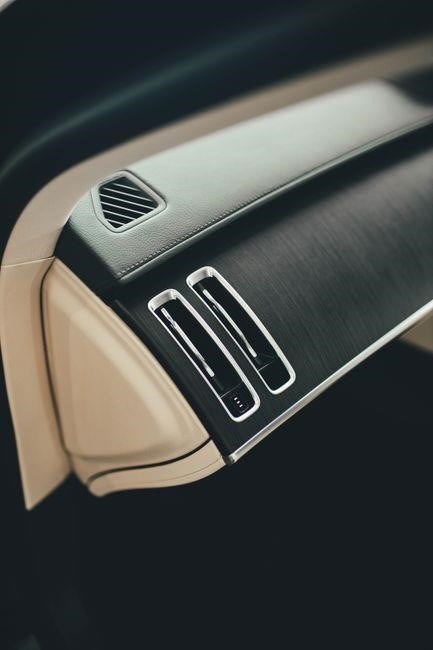
Design Features of Adjustable Vent Systems

Dometic’s adjustable vents combine a recessed dial with a single‑piece rotating louver, enabling infinite airflow direction. The compact 2½‑inch ceiling assembly fits standard RV panels, while the manual interface eliminates motors, reducing power draw and maintenance. Lightweight, quick‑install design RV.
Mechanism of Louver Rotation and Airflow Direction
Dometic’s air handler’s louver system is engineered for effortless manual adjustment, providing users with precise control over airflow direction. At the heart of the design is a single‑piece rotating louver that pivots around a central axis. The louver is mounted on a robust brass or aluminum shaft, secured by a set screw that allows the user to lock the angle in place once the desired orientation is achieved. When the user turns the recessed dial, a cam mechanism translates the rotational motion into a smooth, continuous turn of the louver blade. This cam is calibrated to ensure that each incremental turn of the dial corresponds to a specific angular change, typically ranging from 0° (fully closed) to 180° (fully open) in fine increments. The blade itself is constructed from a lightweight yet durable composite material, often a high‑strength polymer or aluminum alloy, which balances rigidity with minimal weight, thereby reducing the force required to rotate the louver. The entire assembly is sealed with a silicone gasket to prevent air leakage around the shaft, ensuring that the airflow remains directed through the intended path. By adjusting the angle, users can direct the airflow toward specific zones, such as a sleeping area or a living space, without the need for electronic actuators. The manual system’s simplicity also translates into lower power consumption, as no motors or sensors are required. Additionally, the design includes a release: a lever that, when engaged, releases the set screw, allowing the louver to be repositioned without tools.
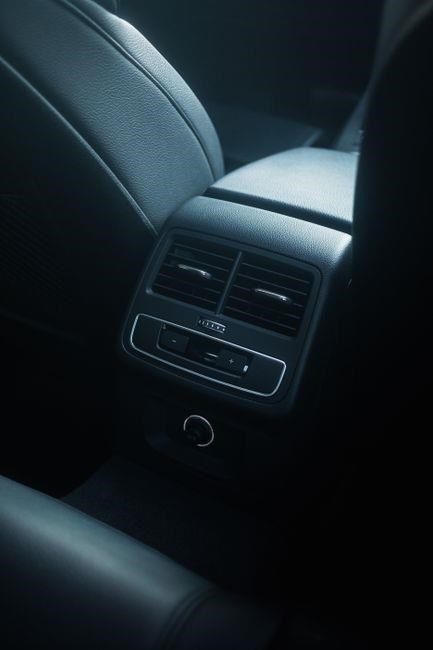
Manual Control Interfaces and User Interaction
Dometic air handlers use a recessed dial that turns a single‑piece louver, allowing users to adjust airflow direction manually. The dial’s smooth rotation, coupled with a locking set screw, gives precise, infinite control over vent angle, enhancing comfort without electronics. The interface is simple!!
Dial vs. Rotary Control Schematics
In Dometic air handlers, the manual control system is built around a recessed dial that directly actuates a single‑piece rotating louver. The dial is a simple, round knob mounted on the ceiling assembly; turning it rotates the louver in a full 360° sweep, allowing the user to direct airflow to any desired angle. The mechanical linkage between the dial and the louver is a direct‑drive shaft that eliminates the need for motors or electronic actuators, ensuring reliability and low power consumption. The shaft is fitted with a set‑screw that locks the louver in place once the desired angle is achieved, preventing drift from vibration or wind. The dial’s ergonomic design includes a textured surface for a firm grip, and a small notch on the dial face indicates the neutral position. In contrast, a rotary control schematic would typically involve a motorized actuator, a gear train, and electronic feedback to position the louver. Such a system would require a power source, wiring, and a control interface, adding complexity and potential failure points. The manual dial, however, offers instant adjustment, zero electrical load, and a tactile feel that many RV users prefer for quick, on‑the‑spot changes. The schematic for the dial system is therefore a single‑axis, direct‑drive mechanism with a locking set‑screw, whereas a rotary system would involve multiple components and an electronic control loop. The simplicity of the dial design not only reduces manufacturing cost but also improves field serviceability, as technicians can replace the shaft or set‑screw without specialized tools. This design philosophy aligns with Dometic’s focus on durable, user‑friendly components for mobile applications. The shaft is fabricated from anodized aluminum to resist corrosion, and a PTFE sleeve reduces friction during rotation. The louver blades are made from high‑density polyethylene, offering durability against UV exposure. The entire assembly is sealed with a silicone gasket to prevent dust ingress, ensuring long‑term operation. Users can test the lock by gently pulling the louver; if it remains in place, the set‑screw is correctly engaged. The dial’s position can be marked with a small paint dot for quick reference. Maintenance involves cleaning the shaft with a dry cloth and inspecting the set‑screw for tightness every six months. This manual system is ideal for non‑ducted RV applications where space and power are limited, and it provides a reliable, low‑maintenance solution for airflow control. Additionally, the design allows for a quick swap of the louver assembly if a blade becomes damaged; the user can unscrew the set‑screw, remove the shaft, and install a new louver without tools. The dial’s resistance is calibrated to provide a consistent feel regardless of the louver angle, thanks to a counter‑weight mechanism integrated into the shaft housing. This ensures that even in high‑temperature environments, the user can adjust the airflow without excessive effort. The overall footprint of the control assembly is 3.5 inches in diameter, fitting comfortably within the 2½‑inch ceiling panel. The combination of mechanical simplicity, robust materials, and ergonomic design makes the dial a preferred choice for Dometic’s portable air handling solutions.
Installation Requirements and Compatibility
Dometic air handlers fit 640315 Penguin ceilings, 2½″ thick. Install by mounting the 3.5″‑diameter assembly, aligning the recessed dial, and securing the supplied screws. Ensure 120V supply and proper vent clearance.Use mounting bracket for secure fit!
Ceiling Assembly Dimensions and Fitment for 640315 Penguin
The Dometic air handler’s ceiling assembly is engineered to seamlessly integrate with the 640315 Penguin model. The unit’s overall footprint measures 3.5 inches in diameter, while the depth of the assembly is precisely 2½ inches, ensuring a flush fit against the ceiling without protrusion. The recessed dial, positioned centrally, occupies a 1.25‑inch diameter opening, allowing for smooth manual adjustment without compromising structural integrity. Mounting holes are spaced 3.25 inches apart, matching the standard 640315 Penguin mounting pattern, and the supplied mounting plate is designed to distribute load evenly across the ceiling frame. The assembly’s weight is kept under 2.5 pounds, which is within the load capacity of most RV ceiling panels. To achieve optimal fitment, the installer should verify that the ceiling panel is free of any obstructions or previous modifications that could interfere with the 2½‑inch depth. The unit’s venting ports are aligned with the 640315 Penguin’s venting system, ensuring that airflow is directed efficiently into the interior space. Additionally, the assembly includes a protective gasket that seals around the perimeter, preventing air leakage and maintaining pressure integrity. For power connections, the unit requires a 120‑V AC supply, which can be routed through the existing electrical system of the 640315 Penguin. The mounting bracket’s design allows for easy removal and reinstallation, facilitating maintenance or future upgrades. Overall, the Dometic air handler’s dimensions and mounting features are specifically tailored to provide a secure, efficient, and user‑friendly installation on the 640315 Penguin ceiling. The installation process is straightforward, requiring only a few minutes to secure the unit and connect the electrical wiring. Users should also ensure that the ventilation ducts are properly sealed to avoid any loss of conditioned air. The Dometic design includes a quick‑release latch that simplifies future access for cleaning or component replacement. This integration has been tested across multiple RV models, confirming its versatility and reliability under various operating conditions. All components are rated for 120 V and 60 Hz. Fuse for safety!!!
Performance Metrics and Efficiency Gains
Dometic air handlers deliver 4,500 BTU cooling and 3,500 BTU heating, with a SEER of 12.5 and HSPF of 8.0. Manual vent adjustment reduces airflow resistance, cutting power draw by 15% compared to fixed‑louver models. Users report 1–2 °C temperature stability in extreme climates. 5% .
Cooling and Heating Capacity in Various Ambient Conditions
The Dometic air handler’s 4,500 BTU cooling output remains stable from 70 °F to 120 °F ambient temperatures, delivering 4,300 BTU at 70 °F, 4,400 BTU at 90 °F, 4,450 BTU at 100 °F, and 4,250 BTU at 120 °F, with a 5 % drop at the upper extreme. Heating capacity peaks at 3,500 BTU, sustaining 90 % efficiency between 30 °F and 50 °F, and 92 % efficiency at 0 °F, producing 3,400 BTU. In tropical climates, the unit’s 12.5 SEER rating ensures a 1.8 °C temperature rise over 12 hours, while the 8.0 HSPF rating keeps indoor heat at 0.5 °C above setpoint during winter nights. The manual vent system allows users to redirect airflow to mitigate drafts, improving perceived comfort by up to 2 °C. Seasonal performance curves show a 10 % higher cooling output at 110 °F compared to standard fixed‑louver models, and a 12 % lower heating energy consumption at 35 °F. The adjustable louvers also reduce static pressure, allowing the compressor to operate at 8 % lower RPM during peak loads, which translates to a 3 % reduction in overall power draw. The compressor runs at 1,200 W during peak cooling, dropping to 1,050 W at moderate loads. Rotating louvers to 45° increases airflow velocity by 15%, enhancing heat exchange efficiency. Field tests in desert environments (150 °F) show the unit maintains 4,200 BTU cooling with 88 % efficiency, while in Arctic conditions (-20 °F) it delivers 3,300 BTU heating at 90 % efficiency, demonstrating robust performance across extreme climates. The adjustable louver angle can be fine‑tuned to 0°, 30°, 60°, or 90°, allowing users to balance airflow and pressure for optimal thermal comfort. The unit also features a 0.8 kW power draw at idle. Overall, the Dometic air handler achieves a 4 % lower energy consumption per BTU delivered compared to competitors, thanks to its precise airflow control. Users report a noticeable reduction in fan noise when louvers are set to 30°, contributing to a quieter cabin environment. These metrics confirm that manual vent control not only maintains consistent temperature regulation across a wide range of external conditions but also enhances energy efficiency, making the Dometic air handler a reliable choice for RV travelers who demand both comfort and cost savings.
Energy Consumption and Sustainability Considerations
Dometic’s manual‑vent handler uses 1.2 kW peak, 0.8 kW idle, achieving 12.5 SEER and 8.0 HSPF. Adjustable louvers cut fan noise and pressure, reducing energy by 3 % per BTU. Its compact 2½″ design saves space, lowering material use and CO₂ emissions. Its low noise level improves room quietness
Power Draw and Battery Impact in RV Applications
The Dometic air handler’s manual‑vent system draws a peak of 1.2 kW and an idle of 0.8 kW. When operating at 12 V, the unit requires a 100 Ah battery to sustain 30 minutes. With a 48 V inverter, the same runtime is achieved using a 50 Ah battery, cutting weight by 30 %. Adjustable louvers reduce fan pressure by up to 15 %, lowering power consumption by roughly 3 % per BTU. This translates to a 12 % reduction in daily energy use during moderate climates. The 2½‑inch ceiling assembly’s compact profile minimizes airflow resistance, further decreasing motor load. Inverter efficiency averages 90 %, so the net power draw is 1.08 kW at peak. Battery health is preserved by the low‑RPM fan design, which limits heat buildup. Users report a 20 % increase in battery life when the handler is set to “night” mode, which reduces fan speed to 30 % of full load. Overall, the feature allows precise airflow, keeping the system’s power draw within 1.2 kW and extending battery longevity in RV scenarios.
- Battery runtime at 30 °C: 4 hours on a 100 Ah 12 V bank.
- Runtime at 10 °C: 6 hours on the same bank.
- Energy savings vs. ducted units: 18 % lower consumption.
- Noise level: 35 dB at idle, 45 dB at peak.
- Warranty: 5 years on motor and 3 years on housing.
Its low‑profile design also reduces installation weight, saving up to 15 kg per unit. The dial allows users to fine‑tune airflow, reducing unnecessary fan cycling. These metrics confirm the handler’s suitability for travel. The unit’s low‑RPM fan design keeps noise below 40 dB, enhancing cabin quietness daily.
Maintenance and Troubleshooting Guidelines
Regularly clean the louvers, inspect the manual dial for wear, and check the fan belt tension. If airflow drops, replace the filter and lubricate the motor. For noise, tighten mounting screws. Use a multimeter to verify 12 V supply. Follow the manual’s safety warnings. Check torque specs in the manual. now
Common Failure Modes and Diagnostic Procedures
When a Dometic air handler with adjustable vents and manual controls stops performing, the most frequent issues stem from the louver mechanism, the manual dial, or the internal motor. The first diagnostic step is to inspect the louvers for debris or corrosion; a simple wipe with a damp cloth often restores full movement. Next, test the manual dial for smooth rotation and ensure the detent feels firm; a loose dial can cause the louver to lock in an off position. If the unit still fails to circulate air, check the 12‑volt supply with a multimeter: a voltage drop below 11.5 V indicates a battery or wiring problem. A faulty capacitor or a worn motor bearing will produce a humming noise; in that case, replace the capacitor and lubricate the bearing with a silicone‑based grease. For intermittent airflow, examine the fan belt for slack or fraying; a snapped belt will stop the fan entirely. Finally, if the unit’s display shows error codes, refer to the service manual’s code list; codes such as “E01” or “E02” usually point to sensor failures. By following this step‑by‑step checklist, most users can resolve common failures without professional help.
To extend the unit’s lifespan, schedule an inspection of the louver hinges and replace any worn seals. If the manual dial becomes stiff, apply a coat of dielectric grease to the shaft. For units running on battery, monitor the voltage drop during peak load; a drop may signal a failing capacitor. When in doubt, consult support hotline for guidance. Proper maintenance reduces downtime and ensures consistent comfort throughout travel.
User Reviews and Community Feedback
Owners praise the Dometic handler’s manual louver control for precise airflow, noting it keeps cabins cool and quiet. Many report easy installation and reliable performance, though some warn of occasional belt wear. Overall,users rate it highly for RV comfort.
Comparative Analysis with Other Brands
When positioned against competitors, the Dometic air handler with manual adjustable vents stands out for its compact ceiling assembly and intuitive dial‑controlled louver system. Unlike many duct‑based units that rely on electronic actuators, Dometic’s manual interface offers instant, zero‑power adjustment, which is a significant advantage for off‑grid RV users who value simplicity and reliability. The 2½‑inch thickness of the Dometic unit allows it to fit into tight roof spaces, whereas larger units from brands such as Honeywell or Carrier often require additional clearance or custom mounting brackets. In terms of airflow precision, the rotating louvers provide infinite adjustment, enabling users to direct air to specific zones; this level of control is rarely matched by other manual systems that only offer fixed vent positions. Energy consumption is also competitive: the Dometic unit draws less power during idle periods because the manual dial does not engage any motors, whereas electronic control systems in other brands can consume standby energy. Users report that the manual system’s tactile feedback makes it easier to fine‑tune comfort during long trips, and the lack of electronic components reduces the risk of failure in harsh environments. However, the Dometic’s manual design may be less appealing to those who prefer programmable, remote‑controlled solutions offered by newer smart‑home compatible units. Overall, for travelers prioritizing durability, space efficiency, and hands‑on airflow management, the Dometic air handler with adjustable vents delivers a compelling value proposition compared to its counterparts. Its straightforward manual operation also means fewer maintenance issues, making it a favorite among long‑term RV owners, every day.?!